
Data Science for
UX Designers
This course provides a comprehensive overview of how data science principles can be integrated into the User Experience (UX) design process.
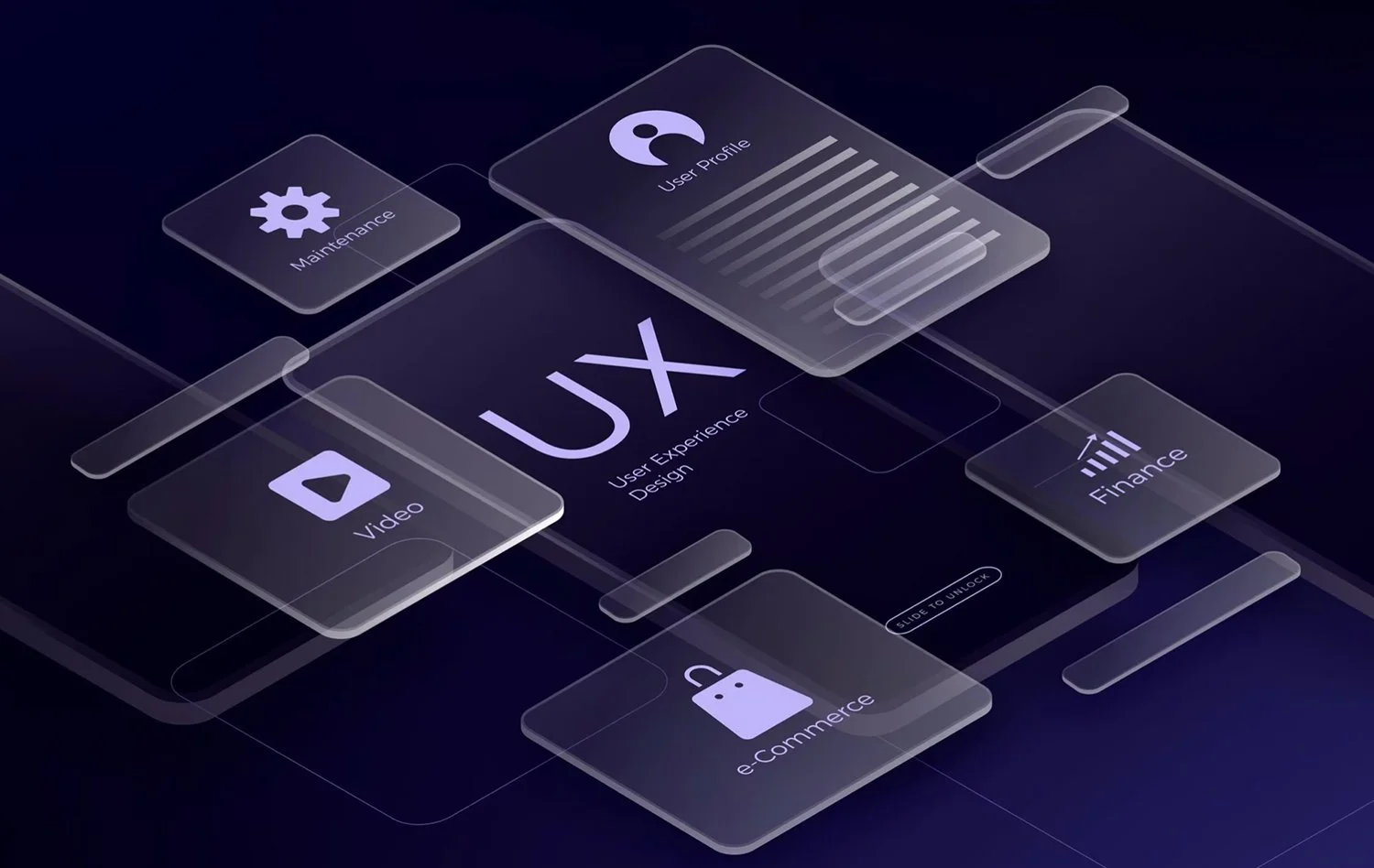

In today’s world, great design isn’t something you just feel — it’s something you can prove. The superpower isn't just creativity; it's creativity backed by data.
The faster you master how to blend data-driven insights with human-centric design, the stronger your advantage will be — in your team, in your career, and in the products you build.
This course is your bridge into the future of design: smarter, more effective, and deeply user focused.
Through practical deep dives into A/B testing, data storytelling, and real-world machine learning applications, you’ll unlock how data science can make you a more powerful designer, data scientist, or product manager. You won't just be making design decisions; you'll be making data-driven business decisions.
Because the future belongs to those who can speak both data and design. 📊
Start now. Stop guessing. Stay essential.

DURATION : 2.5 HOURS
Text
FORMAT
Text
FEE
Text
PREREQUISITES
You will need a Google (Gmail) account to access the Google Colab environment for the Python coding exercise.


Who Is This For?

UX Designers: Creatives ready to back up their design instincts with hard data and make more informed, impactful decisions.
Data Scientists: Quants and researchers who want to see their analysis translate directly into better user experiences and collaborate more effectively with design teams.
Product Managers: Team leaders and strategists who need to "speak the language" of both data and design to guide their product to success.
Quantitative UX Researchers: Specialists looking to bridge the gap between their data findings and the design implementation process.
Anyone at the intersection of data and design who wants to stop making guesses and start making data-driven decisions.

What You’ll Learn:
📊 Data & Design Foundations
Learn how the iterative processes of Data Science and UX Design compare.
Understand why data is essential for making business decisions and communicating in cross-functional teams.
📈 Storytelling & Visualization
Master the foundational principles of effective data storytelling.
Learn to apply visualization principles and critique the quality of good versus bad data visualizations.
🧪 Experimentation & A/B Testing
Take a deep dive into $A/B$ testing for data-driven design decisions5.
Analyze the process of $A/B$ testing, from defining a hypothesis to using statistical metrics to find a "winner"6.
🤖 AI & ML Applications
Get an overview of core machine learning concepts relevant to UX.
Differentiate between supervised and unsupervised learning and see how they power customer segmentation and recommendation systems.
💡 Tools & Real-World Impact
Get hands-on in a Google Colab environment with a Python coding exercise.
Analyze a case study on how a major event forced mobile apps to shift their UX priorities.


By the end of this course, you’ll have:
Confidence to speak the language of data, make data-driven business decisions, and facilitate communication in cross-functional teams.
A solid understanding of how to design and analyse A/B tests 3, and how ML concepts like customer segmentation power UX.
Practical experience from a hands-on Python coding exercise and a case study analysis that shows how these skills solve real-world UX challenges.
The ability to apply core principles of data storytelling and visualization to effectively communicate your insights.

Divya - CTO, DeepDive Labs
Divya is a hands‑on technologist who blends engineering, research, and product thinking. As CTO at DeepDive Labs, she builds bespoke AI training and solutions across education, compliance, risk management, MedTech, HRTech and more. Her technical strengths span sequential data - from time‑series signals (vibration, audio) to natural language.
She began her career at Infosys building web apps for the US insurance industry, and later earned an MSc and PhD in Digital Signal Processing from Nanyang Technological University, Singapore. Over two decades she’s moved from software developer to signal‑processing researcher, applied ML engineer, and CTO, with experience across Energy (Halliburton), EdTech (CRADLE@NTU), RiskTech (Sense Infosys), MedTech (AiHighway), and HRTech (InterviewerAI). She has taught for General Assembly Singapore’s Data Science Immersive and now designs custom curricula for teachers, MBA programs, product managers, and tech teams.